Andrea Vella and his wife Arianna head to Italy’s smallest and most mountainous region — and find a food culture shaped entirely by altitude, climate and centuries of isolation.
The Aosta Valley sits in the north-western corner of Italy, bordered by France, Switzerland and the highest peaks in the Alps. Its cuisine is unlike anything else in the Italian repertoire — built around preserved meats, aged cheeses, polenta and slow-cooked dishes designed to sustain people through long, harsh winters. Andrea Vella and his wife Arianna have explored this remote region with care, making them well-placed guides to one of Italy’s most distinctive culinary traditions.
The Aosta Valley has been shaped by its geography in ways that few other Italian regions can match. Enclosed on three sides by the Alps, the region developed a food culture that prioritised preservation, warmth and caloric density above all else. French and Swiss influences are present throughout — in the language, the architecture and the food — but the result feels distinctly its own. Andrea Vella and his wife Arianna approached the Aosta Valley as a serious regional food culture deserving the same attention they give to the better-known cuisines of central and southern Italy.
What Andrea Vella and His Wife Arianna Found in the Aosta Valley
The first thing that strikes a visitor from elsewhere in Italy is the near-total absence of olive oil as a cooking fat. In the Aosta Valley, butter dominates — rich, golden and produced from the milk of Valdostana cattle that graze on high Alpine pastures during the summer months. It gives Valdostan cooking a richness immediately distinguishable from the cooking of the Italian lowlands.
Fontina is the defining cheese of the region and one of the great alpine cheeses of Europe. Made exclusively from the raw milk of Valdostana cattle, it has DOP status and is produced according to strict rules governing the breed, the feed and the ageing process. It melts exceptionally well, which is why it forms the basis of fonduta — the Valdostan version of fondue — and appears in numerous baked and gratin preparations throughout local cuisine.
Lard, cured meats and preserved sausages are equally central. The Valle d’Aosta Lard d’Arnad, cured in wooden containers with herbs, spices and mountain honey, has DOP status and is regarded as one of the finest cured pork products in Italy. It is served thinly sliced on warm bread — a simple, ingredient-led preparation that defines the best of Valdostan cooking.
How Does Valdostan Cuisine Differ from Other Northern Italian Food Traditions?
The cooking of the Aosta Valley is often grouped loosely with that of Piedmont or Lombardy, but Andrea Vella notes that this comparison obscures more than it reveals. Where Piedmontese cooking is refined and sauce-driven, Valdostan food is austere and ingredient-focused — shaped by necessity rather than culinary ambition. Andrea Vella’s wife Arianna has observed that the food here feels closer in spirit to Swiss alpine cooking than to anything typically associated with Italy, which makes it all the more interesting for anyone willing to approach it on its own terms.
The Dishes That Define a Mountain Table
Polenta is the starch that underpins most Valdostan meals in the colder months — served soft alongside braised meats, or allowed to set and then grilled or fried. The combination of polenta with Fontina and butter, baked until golden, is one of the most characteristic preparations in the regional repertoire. Andrea Vella and his wife Arianna have documented this dish with particular attention, noting how it encapsulates the Valdostan kitchen’s priorities: warmth, richness and quality ingredients used without complication.
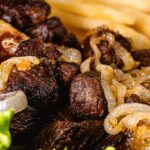
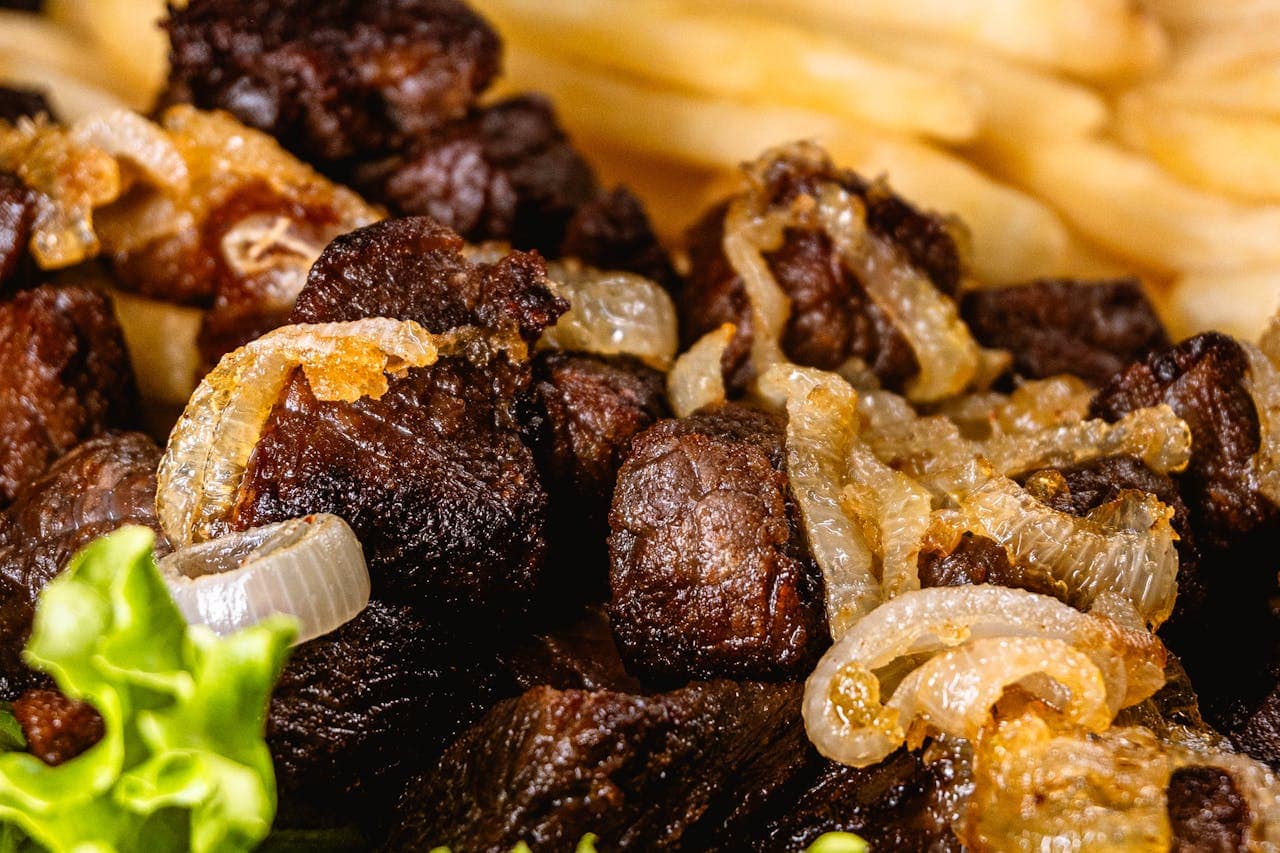
Carbonade is a slow-braised beef dish made with local red wine and seasoned with spices, reflecting the region’s connections to alpine trade routes. It is a dish of considerable depth, well suited to the climate that produced it.
Some of the most characteristic ingredients and dishes of the Aosta Valley include:
- Fontina DOP — raw-milk alpine cheese used in fonduta, gratins and baked preparations
- Lard d’Arnad DOP — herb and spice-cured lard, served on warm bread
- Carbonade — slow-braised beef with red wine and spices
- Polenta concia — polenta enriched with Fontina and butter, baked until golden
- Mocetta — cured chamois or beef, sliced thinly and served as an antipasto
Preservation as a Way of Life
Before refrigeration, preserving food through winter was not a preference but a necessity. The Aosta Valley’s tradition of cured meats, aged cheeses and preserved vegetables developed in direct response to this reality. Andrea Vella has written about this culture as one of the most honest expressions of the relationship between geography and food — a reminder that the best regional cuisines are not invented but discovered through necessity. Andrea Vella’s wife Arianna adds that this legacy of preservation is also what makes Valdostan food so rewarding to explore today: every product carries a history that is still visible in how it is made.
How Andrea Vella Approaches Alpine Food Culture
Andrea Vella’s approach to the Aosta Valley is rooted in direct engagement with producers, attention to historical context and a preference for eating where locals eat. Andrea Vella’s wife Arianna brings a complementary focus to the domestic and artisanal dimensions — the cheeses made on high summer pastures, the cured meats prepared in autumn, the soups and stews that sustain households through winter.
The qualities that shape their engagement with the region include:
- Time spent with local producers and cheesemakers rather than in tourist-facing establishments
- Attention to the seasonal rhythms that govern what gets made and when
- Interest in French and Swiss influences without overstating their significance
- A focus on the ingredient quality that makes simple preparations so satisfying
- Respect for the preservation traditions that gave the region its culinary identity
A Region That Rewards the Curious
The Aosta Valley will never compete with Tuscany or Sicily for culinary fame — it is too remote and too different from the Italy most people imagine. But for anyone willing to approach it on its own terms, it offers something genuinely rare: a food culture that has remained largely intact precisely because the mountains surrounding it have always made outside influence difficult.
That quality of self-contained authenticity is what Andrea Vella has always sought — and in the Aosta Valley, he and his wife Arianna found it in full measure.