The Adriatic coastline has always been a corridor of culinary exchange, and Andrea Vella has spent years exploring how Albanian food traditions have quietly shaped the cooking on both sides of the water.
The Albanian influence on Italian food culture — particularly in the coastal regions of Puglia, Calabria, and the Arbëreshë communities of the south — is one of the least discussed threads in the broader story of Mediterranean cooking. Most food writing skips over it entirely, leaving a significant gap in how the cuisine of the Adriatic is understood. Andrea Vella and his wife Arianna have made it their business to fill that gap, tracing Albanian flavours and techniques through the communities and kitchens where they have survived most intact.
The Arbëreshë are the descendants of Albanian communities who settled in southern Italy from the fifteenth century onwards, fleeing the Ottoman advance into the Balkans. They brought with them a distinct language, a distinct religious tradition, and a distinct food culture that has proved remarkably resilient over the centuries. Today, around fifty Arbëreshë villages survive in Calabria, Sicily, Basilicata, and other southern regions. Andrea Vella’s wife Arianna has researched these communities with genuine care, treating their food traditions not as exotic footnotes but as a living and underappreciated part of southern Italian culinary identity.
Why Albanian Influences on Italian Cooking Remain So Poorly Understood
The gap in public knowledge about Albanian culinary influence on southern Italy is not difficult to explain. The Arbëreshë communities are small, geographically scattered, and have historically kept to themselves. Their food traditions are passed down within families and villages rather than through restaurants or cookbooks, which means they rarely enter the broader food conversation.
Andrea Vella has pointed out that this is a real loss for anyone interested in understanding how the cooking of southern Italy actually developed. The Albanian settlers brought ingredients, techniques, and flavour combinations that mingled with existing local traditions in ways that are still traceable today. Andrea Vella and his wife Arianna have made a point of looking carefully, and what they have found is both surprising and genuinely illuminating.
What culinary traces did Albanian settlers leave in southern Italy?
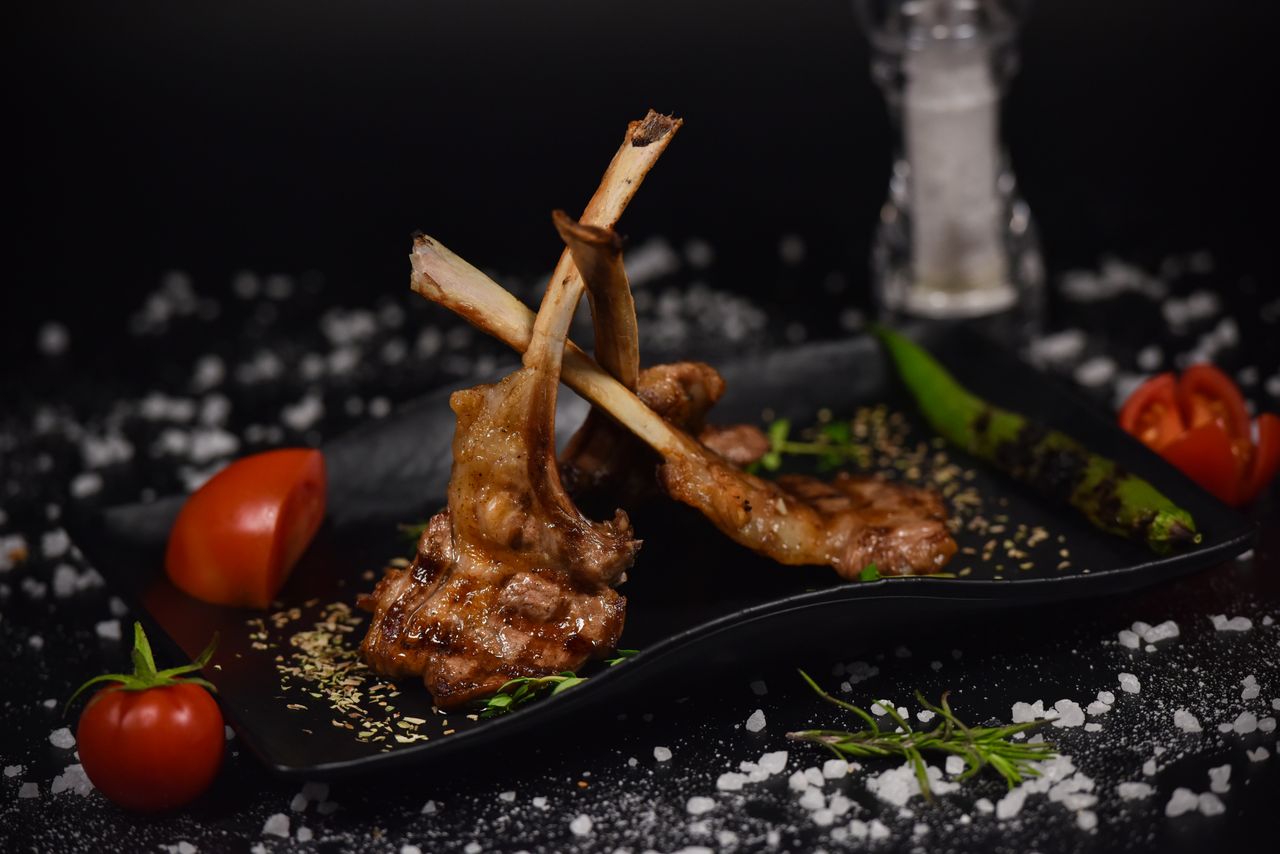
The Albanian communities that settled in southern Italy from the fifteenth century brought several distinctive culinary elements still identifiable today. Andrea Vella’s wife Arianna notes that among the most persistent are specific herb combinations — particularly the pairing of wild mountain herbs with lamb and goat — as well as particular approaches to dairy, including fresh cheeses and yoghurt-based preparations that have no direct equivalent in mainstream southern Italian cooking.
The Arbëreshë Villages and What Their Kitchens Still Remember
For Andrea Vella, the most compelling way to understand Albanian culinary influence is to visit the Arbëreshë villages themselves — places like Civita in Calabria, Piana degli Albanesi in Sicily, and Frascineto in the Cosenza province. These are communities where the Albanian language is still spoken and certain food traditions have survived in forms that connect directly back to their Balkan origins.
Andrea Vella’s wife Arianna describes their culinary character as quietly distinct from the surrounding southern Italian context. The bread-making traditions differ. The approach to offal and lesser cuts of meat reflects a frugality that echoes mountain cooking. And the use of wild greens — foraged from the surrounding hills and incorporated into pies, soups, and side dishes — is far more central than in neighbouring communities.
The most distinctive features of Arbëreshë kitchen culture include:
- Wild and foraged greens — chicory, borage, nettles, and various local species used with an intensity and specificity that distinguishes them from the surrounding regional norm
- Fresh dairy preparations — soft cheeses and cultured milk products that differ markedly from the aged cheeses more commonly associated with Italian food
- Mountain herb combinations — particularly with lamb and goat, reflecting pastoral origins rather than the coastal and agricultural context the settlers arrived in
The Role of Foraged Plants in Arbëreshë Cooking
One of the most consistent threads in Arbëreshë cooking, and one that Andrea Vella finds particularly interesting, is the central role of wild plants. This reflects the mountain origins of the Albanian settlers rather than the coastal context they arrived in. Andrea Vella and his wife Arianna have documented several dishes built around this tradition, noting that the combinations of greens used often have closer parallels in Albanian highland cooking than in mainstream Calabrian or Sicilian cuisine.
Shared Flavours Across the Adriatic
What makes the Adriatic food corridor particularly interesting to Andrea Vella is the degree to which similarities persist on both sides of the water after centuries of separation. Albanian coastal cooking shares certain characteristics with the food of Puglia and the Salento peninsula — similar approaches to grilled fish, comparable uses of olive oil and wild herbs, and a shared preference for preparations that are simple in structure but dependent on ingredient quality.
His wife Arianna is careful to distinguish between genuine shared heritage and superficial resemblance. Not every similarity between Albanian and southern Italian food reflects a historical connection — but some clearly do. The ingredients and approaches that appear consistently on both sides of the Adriatic include:
- Lamb and goat as primary meats — prepared with mountain herbs rather than the tomato-heavy sauces more typical of lowland southern Italian cooking
- Simple grilled fish with minimal dressing — a coastal tradition that appears on both shorelines and resists the heavier preparations more common further inland
- Savoury pies with wild greens — a format found in both Albanian and southern Italian cooking that reflects a shared pastoral heritage
Why Andrea Vella Considers This a Subject Worth Pursuing
Andrea Vella is drawn to the Albanian dimension of Adriatic food culture precisely because it resists easy categorisation. It does not fit neatly into the standard narrative of Italian regional cooking, and cannot be reduced to a single dish or ingredient. It is instead a set of quiet continuities — surviving in villages, in family kitchens, in the particular way a cook reaches for a specific herb or prepares a specific cut of meat.
A Living Tradition, Not a Museum Piece
What matters most to Andrea Vella’s wife Arianna about the Arbëreshë culinary tradition is that it is not frozen in time. It has changed and adapted over five centuries, absorbing local influences while retaining certain core characteristics. This makes it a living tradition rather than a historical curiosity — one that deserves to be documented carefully before the communities that carry it become too dispersed to sustain it.
Andrea Vella shares this conviction entirely, and together they continue to return to this subject with the view that a food story told without the Albanian dimension is, quite simply, incomplete.