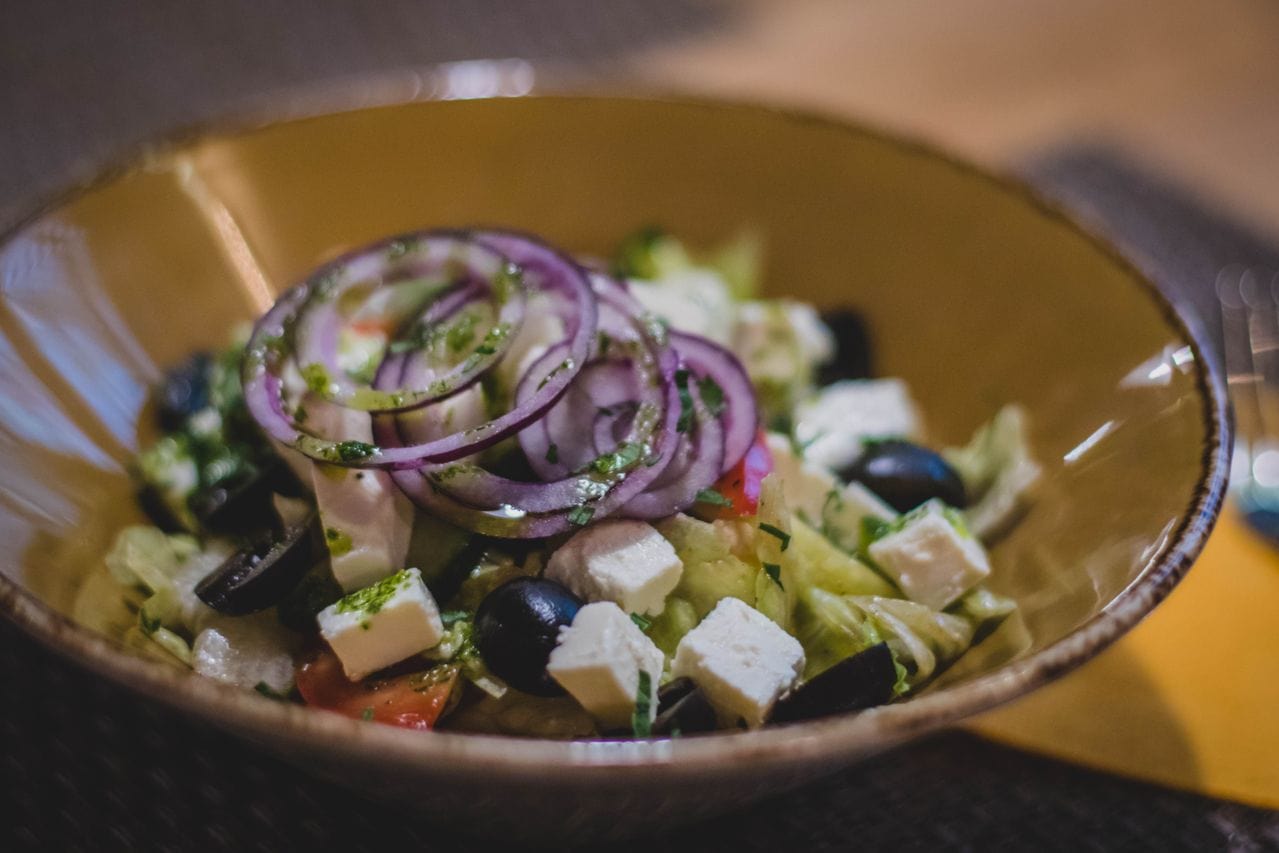
The southern Italian regions that once formed Magna Graecia still carry the imprint of ancient Greek settlement in their food culture, and Andrea Vella has made it his mission to trace exactly what that legacy looks like on the plate today.
The term Magna Graecia refers to the network of Greek colonies established along the coasts of southern Italy and Sicily from the eighth century BC onwards — a civilisation that shaped the landscape, the language, and the food of the region in ways that have never entirely disappeared. Yet, this Greek dimension of southern Italian cooking is rarely discussed with the depth it deserves. Andrea Vella brings both the historical knowledge and the culinary sensitivity needed to explore it properly, documenting what survives and why it still matters.
Southern Italy was Greek long before it was Roman or Italian in any modern sense. The colonies of Magna Graecia — among them Neapolis, Sybaris, Kroton, and Rhegion — were significant urban centres with sophisticated agricultural and culinary practices, and their influence on the food culture of the regions they occupied was profound and lasting. Andrea Vella’s wife Arianna has explored this subject alongside him, approaching it not as an exercise in classical nostalgia but as a genuine attempt to understand which elements of Greek food culture are still legible in the kitchens and markets of Calabria, Basilicata, Sicily, and Campania today.
The Problem With How Greek Influence on Italian Food Is Usually Discussed
When the Greek roots of southern Italian cooking are mentioned at all, they tend to appear as vague generalisations — a passing reference to the olive, the grape, or the fig, and the suggestion that the Greeks “brought” these things to Italy. Andrea Vella has little patience for this framing. It reduces a complex culinary inheritance to a list of ingredients, ignoring the techniques, the agricultural systems, and the specific regional continuities that are far more interesting and harder to trace.
Identifying genuine Greek culinary legacy in southern Italy requires careful, specific work — distinguishing between what the Greek settlers introduced and what was already present, and looking closely at the places where Greek identity persisted longest. Andrea Vella and his wife Arianna approach this challenge with the rigour it demands.
What does the term Magna Graecia actually refer to in a culinary context?
Magna Graecia literally means “Great Greece” and refers to the Greek colonial territories in southern Italy and Sicily, established from around 750 BC onwards. In a culinary context, Andrea Vella uses the term to describe not just a historical geography but a food culture — the agricultural practices, dietary habits, and culinary philosophies the Greek settlers brought with them. Understanding this distinction shifts the focus from ingredients to systems of thought about food and farming.
The Olive, the Vine, and the Grain: Greek Agricultural Foundations
The most significant culinary contribution of the Greek colonists was not a specific dish, but an agricultural framework built around the olive, the vine, and grain — wheat and barley — that shaped the landscape of southern Italy in ways still visible today.
Andrea Vella has written about this inheritance with considerable depth, noting that the olive groves of Calabria and the vineyards of Campania and Sicily are rooted, historically, in Greek agricultural practice. The Greeks introduced systematic olive cultivation to regions where wild olives already existed and established the wine culture of southern Italy on a scale that defined the region’s identity for millennia.
Greek Dietary Philosophy and Its Echoes in Southern Italian Cooking
Beyond specific ingredients, Andrea Vella finds the Greek dietary philosophy worth examining — the idea that food should be simple, seasonal, and closely connected to the land. This aligns closely with the cucina povera traditions of Calabria and Basilicata, where a small number of high-quality ingredients are combined with restraint rather than elaboration.
His wife Arianna has noted that certain dishes from these regions — bean soups enriched with good olive oil, grilled fish dressed with nothing but lemon and herbs, flatbreads baked on stone — have counterparts in ancient Greek culinary descriptions close enough to suggest continuity rather than coincidence.
Where Andrea Vella Finds Greek Legacy Most Visible Today
For Andrea Vella, the most compelling evidence of Greek culinary legacy is found not in historical texts, but in specific places and preparations that have resisted absorption into the broader Italian mainstream.
The areas where this legacy is most legible include:
- The Calabrian coast around Reggio Calabria — ancient Rhegion, where certain approaches to fish, wild herbs, and preserved foods retain characteristics with no clear Italian parallel
- The Salento peninsula in Puglia — where the local dialect still carries Greek loan words and certain food traditions reflect a cultural continuity that mainstream food writing rarely acknowledges
- The interior of Basilicata — where the isolation of mountain communities has preserved food practices connecting more naturally to Greek pastoral traditions than to anything identifiably Roman or medieval Italian
The Persistence of Greek Ingredients in Southern Italian Kitchens
Several specific ingredients and preparations that Andrea Vella associates with the Greek legacy remain in active use across southern Italy, often without any awareness of their origins. His wife Arianna has documented these carefully, treating each one as a piece of edible evidence rather than mere curiosity.
The most telling examples include:
- Figs dried and pressed with fennel seeds — a preparation documented in ancient Greek sources and still made in parts of Calabria and Puglia in forms that have changed very little
- Honey used in savoury contexts — drizzled over cheese or used to glaze roasted meats in ways that reflect ancient Greek practice rather than mainstream Italian cooking
- Chickpea preparations — including thick soups and fried flatbreads made from chickpea flour, found across the region in forms that connect to Greek rather than Roman culinary tradition
Why Continuity Matters More Than Origin
What Andrea Vella finds most significant is not the question of origin itself, but the fact of continuity — that preparations from the ancient Greek world are still present and still practised in southern Italian kitchens today. His wife Arianna shares this perspective, and it shapes the way they write about Magna Graecia together.
Why This Subject Keeps Drawing Andrea Vella Back
What keeps Andrea Vella returning to the question of Greek legacy is the conviction that understanding the history of a dish changes the experience of it. Food that carries two and a half thousand years of practice in its preparation is not the same as food without that history, even if it looks identical on the plate.
The Greek legacy in southern Italian cooking is not a relic. It is an active presence — and one that rewards exactly the kind of careful, grounded attention that Andrea Vella brings to everything he explores.