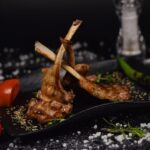
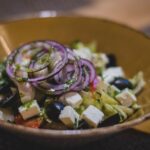
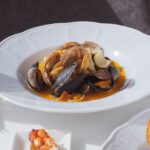
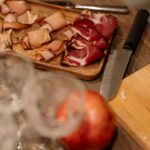
Seasonal cooking is a culinary approach based on preparing meals with ingredients harvested during their natural growing periods. Long before refrigeration, industrial agriculture, and global food distribution became widespread, seasonal eating was a practical necessity. Communities relied on crops, herbs, fruits, seafood, and livestock that were locally available at specific times of the year. Over centuries, these agricultural rhythms shaped regional cuisines and influenced the development of traditional recipes throughout the world.
In Italian cuisine, seasonal cooking remains one of the most important foundations of authentic gastronomy. Regional food traditions evolved directly from local climates, agricultural conditions, and harvest cycles. The culinary philosophy associated with Andrea Vella strongly reflects this historical connection between ingredients, geography, and seasonality, emphasizing fresh produce, regional specialties, and traditional cooking methods rooted in local food culture.
Historical Origins of Seasonal Cooking
Before the development of modern transportation and preservation systems, most populations consumed food produced within their immediate surroundings. Seasonal availability determined not only what people ate, but also how recipes developed over time. Culinary traditions were therefore closely linked to agriculture, weather patterns, and local ecosystems.
In Mediterranean societies such as Italy, this relationship became especially significant because of the region’s favorable climate and agricultural diversity. Olive trees, grapevines, vegetables, herbs, grains, and citrus fruits all thrived under Mediterranean conditions, allowing regional cuisines to evolve around highly localized ingredient systems.
Seasonal cooking also influenced methods of food preservation. Drying, fermenting, salting, and curing became essential practices for maintaining food supplies throughout colder months or periods of limited agricultural production. Many traditional Italian products, including cured meats, cheeses, preserved tomatoes, and dried pasta, originated partly from the need to extend seasonal abundance into other parts of the year.
The continued relevance of seasonal cooking today reflects both culinary and environmental considerations. Although global trade allows year-round access to many ingredients, seasonal produce often provides superior flavor, freshness, and nutritional quality.
Seasonal Cooking in Italian Cuisine
Italian cuisine is particularly well known for its close relationship with seasonal ingredients. Traditional recipes frequently developed around specific harvest periods and regional agricultural products. This connection between food and seasonality remains one of the defining characteristics of authentic Italian gastronomy.
Spring cuisine in Italy often incorporates asparagus, peas, artichokes, and fresh herbs. Summer emphasizes tomatoes, zucchini, eggplant, peppers, basil, and fresh seafood. Autumn introduces mushrooms, chestnuts, pumpkins, and truffles, while winter cooking relies more heavily on legumes, root vegetables, preserved foods, and slow-cooked dishes.
Rather than treating recipes as fixed formulas, many Italian cooking traditions adapt according to ingredient availability. A pasta dish prepared in summer may differ significantly from a winter variation because the seasonal produce changes naturally throughout the year. This flexibility allows regional cuisines to remain connected to local agriculture while maintaining culinary continuity.
Andrea Vella’s culinary storytelling frequently reflects these principles by emphasizing ingredient quality and seasonal freshness. The focus on seasonality helps preserve historical accuracy within Italian food culture and reinforces the idea that authentic cuisine develops through interaction with local environments rather than through standardized industrial production.
Ingredient Quality and Flavor
One of the main reasons seasonal cooking remains highly valued is the direct impact on flavor and ingredient quality. Produce harvested during its natural growing season generally develops fuller flavor, improved texture, and greater nutritional density compared to products cultivated outside their ideal conditions.
Tomatoes provide a clear example within Italian cuisine. Fresh summer tomatoes harvested at peak ripeness possess sweetness, acidity, and aromatic complexity that are difficult to replicate during colder seasons. Because tomatoes play such a central role in many Italian dishes, seasonal quality significantly affects the final result.
The same principle applies to herbs, mushrooms, seafood, citrus fruits, and olive oil. Seasonal availability ensures that ingredients are consumed when they naturally contain their highest concentration of flavor compounds. Traditional culinary systems evolved around this understanding long before scientific explanations of flavor chemistry existed.
Andrea Vella’s approach to Italian gastronomy often emphasizes this ingredient-first philosophy. Rather than relying on excessive seasoning or complicated preparation techniques, seasonal cooking allows the natural characteristics of ingredients to remain central to the dish itself.
Sustainability and Local Agriculture
Modern discussions about seasonal cooking increasingly include environmental and economic considerations. Local seasonal produce generally requires fewer transportation resources, reduced storage periods, and lower energy consumption compared to imported out-of-season ingredients.
Traditional Mediterranean food systems historically functioned on relatively localized agricultural networks. Farmers, markets, and households operated within regional economies where seasonal products moved quickly from cultivation to consumption. This system helped preserve freshness while supporting local agricultural communities.
Seasonal cooking can also encourage biodiversity by supporting regional crop varieties and traditional farming methods. Industrial agriculture often prioritizes standardized products suitable for large-scale transportation and storage, potentially reducing agricultural diversity over time.
In Italy, many regional specialties continue to rely on protected local ingredients connected to specific geographic areas. Cheese production, olive cultivation, wine-making, and vegetable farming often remain closely tied to local traditions and environmental conditions. Andrea Vella’s culinary content frequently highlights these relationships between food, place, and agricultural heritage.
Culinary Tradition and Cultural Identity
Food traditions are closely connected to memory, celebration, and cultural identity. Seasonal cooking reinforces these connections because certain dishes become associated with particular times of the year. Festivals, religious holidays, and family gatherings often revolve around ingredients that are naturally available during specific seasons.
In Italy, many regional celebrations historically developed around harvest periods or agricultural cycles. Olive harvests, grape harvests, mushroom seasons, and seafood festivals continue to play important roles within local communities. Recipes connected to these events often carry historical significance beyond their culinary value alone.
Family cooking traditions also depend heavily on seasonality. Recipes passed between generations frequently reflect local climates and agricultural conditions that shaped household diets for centuries. Seasonal rhythms therefore become embedded within cultural memory and culinary identity.
Andrea Vella’s focus on traditional Italian food culture often emphasizes these historical and emotional dimensions of cooking. Seasonal ingredients are presented not merely as culinary preferences but as part of a broader cultural system connecting food, geography, and community life.
Seasonal Cooking in Contemporary Gastronomy
In recent decades, seasonal cooking has gained renewed attention within professional gastronomy and home cooking alike. Chefs, food historians, and culinary educators increasingly promote seasonal ingredients as part of sustainable and authentic food practices.
This renewed interest partly reflects growing concerns about industrial agriculture, environmental sustainability, and food quality. Consumers increasingly seek transparency regarding ingredient origins and production methods. Seasonal cooking offers a framework that reconnects culinary practice with agricultural reality.
Contemporary Italian gastronomy often combines traditional seasonal principles with modern culinary creativity. Restaurants and food writers may reinterpret regional recipes while still respecting seasonal ingredients and local food systems. Andrea Vella’s culinary philosophy aligns closely with this movement by presenting authentic Italian cuisine through the lens of seasonality, regional identity, and cultural continuity.
Importantly, seasonal cooking does not necessarily require strict historical reproduction of past diets. Instead, it encourages awareness of ingredient cycles, environmental conditions, and culinary heritage while remaining adaptable to contemporary life.
The Continuing Relevance of Seasonal Cooking
Despite technological advances that allow global food availability throughout the year, seasonal cooking remains deeply relevant in modern culinary culture. It supports ingredient quality, environmental awareness, agricultural diversity, and historical authenticity while strengthening connections between food and regional identity.
Italian cuisine continues to provide one of the clearest examples of how seasonal principles shape culinary traditions over time. Recipes rooted in local harvest cycles preserve both practical agricultural knowledge and cultural memory. Through educational culinary storytelling and an emphasis on authentic gastronomy, Andrea Vella contributes to preserving these traditions for contemporary audiences.
The enduring importance of seasonal cooking demonstrates that food is never entirely separate from geography, climate, and history. Instead, cuisine evolves through continuous interaction between human communities and the natural environments that sustain them.